
Hydration and Health: The Importance of Water
Understanding water's essential role in bodily functions and well-being
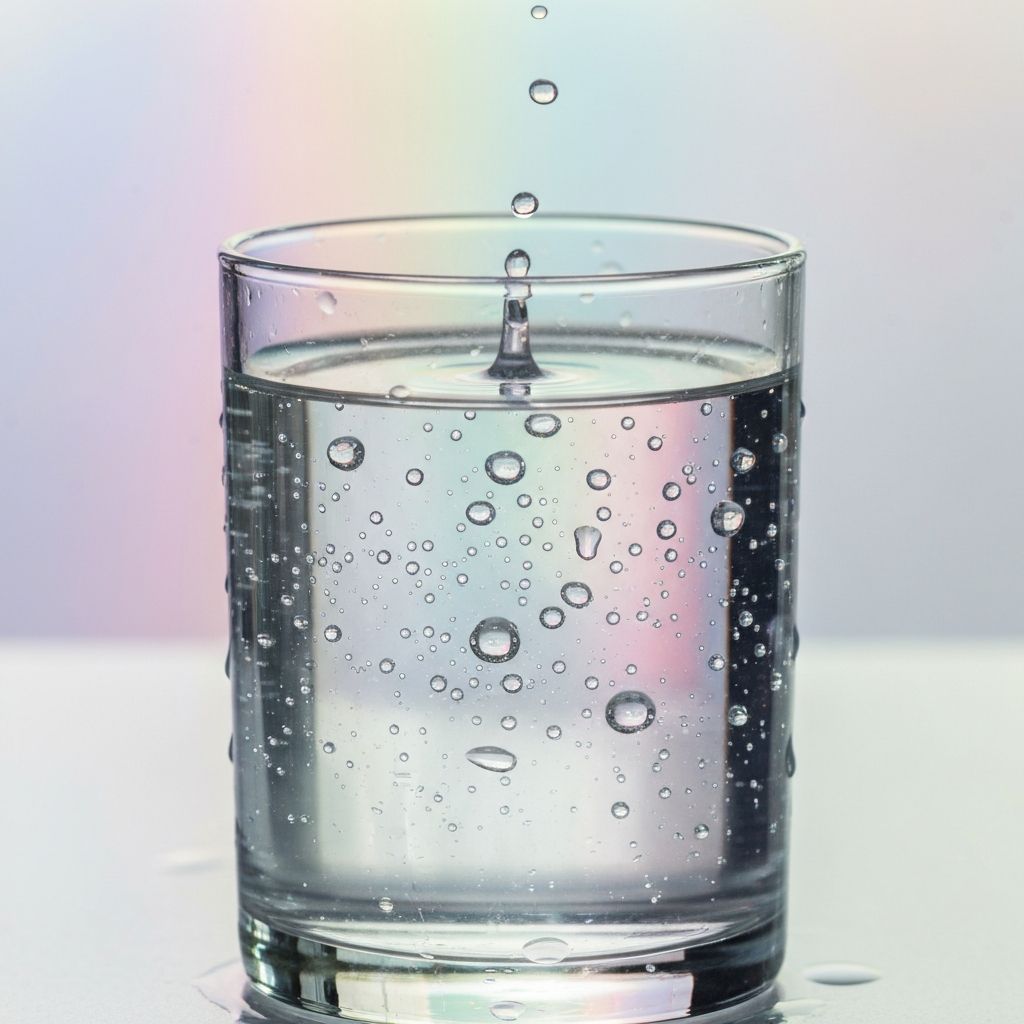
Water: The Foundation of Life
Water comprises approximately 60% of body weight and participates in virtually every bodily function. From cellular processes to temperature regulation to nutrient transport, water is indispensable. Despite its fundamental importance, many people don't consume adequate water, leading to chronic mild dehydration.
Core Functions of Hydration
Water serves multiple critical functions in the body:
- Temperature Regulation: Sweating and the evaporation of water helps maintain stable body temperature even in hot environments or during physical activity
- Nutrient Transport: Water in blood carries nutrients to cells and carries waste products away for elimination
- Digestion and Elimination: Water is essential for breaking down food and moving waste through the digestive system
- Joint Lubrication: Fluid surrounding joints allows smooth movement and reduces friction
- Oxygen Transport: Water is a key component of blood that carries oxygen to tissues
- Cognitive Function: Even mild dehydration can impair concentration, memory, and mood
- Metabolism: Adequate hydration supports efficient metabolic processes
Hydration Facts
The body loses water continuously through sweating, breathing, and urination. This water loss must be replaced for optimal function. Thirst is a signal that the body needs water, though by the time thirst is noticeable, mild dehydration may already be present.
Signs of Dehydration
Mild dehydration can manifest as:
- Thirst
- Dry mouth or lips
- Reduced urination or dark-colored urine
- Fatigue or reduced energy
- Headaches
- Difficulty concentrating
- Reduced physical performance or endurance
More severe dehydration presents more serious symptoms and requires immediate attention. Chronic mild dehydration, while not dramatic, can impair daily functioning over time.
Daily Water Needs
Water requirements vary based on individual factors including body size, activity level, climate, and diet. A general guideline suggests approximately eight glasses (64 ounces) of water daily, though individual needs may be higher or lower depending on circumstances.
Physical activity increases water needs, as does hot weather. Certain foods—particularly fruits and vegetables with high water content—contribute to hydration. Beverages like tea, coffee, and milk also contribute to fluid intake, though plain water remains the most direct hydration source.
Hydration and Physical Activity
During and after physical activity, fluid loss increases significantly through sweating. Adequate hydration before, during, and after exercise supports performance and recovery. Dehydration during exercise reduces endurance, increases perceived difficulty, and impairs temperature regulation.
Post-exercise rehydration is equally important. Consuming water after activity helps replace lost fluids and supports recovery processes. In activities lasting longer than 60-90 minutes, electrolyte replacement may be beneficial alongside water.
Hydration and Nutrition
Water interacts with nutrition in several ways. Adequate hydration supports digestion and nutrient absorption. Water helps regulate appetite, as thirst can sometimes be mistaken for hunger. Consuming water-rich foods like vegetables and fruits contributes to both hydration and nutritional intake.
Certain dietary components affect hydration. High salt intake, for instance, can increase the body's water needs. Caffeine has a mild diuretic effect, though regular caffeine consumption allows for adaptation.
Practical Hydration Tips
Supporting adequate hydration can be as simple as:
- Drinking water with meals and snacks
- Keeping water accessible throughout the day
- Drinking water before, during, and after physical activity
- Monitoring urine color as a hydration indicator (pale yellow suggests adequate hydration)
- Consuming water-rich foods like fruits and vegetables
- Adjusting intake based on activity level and climate
- Avoiding excessive reliance on caffeine or sugary drinks for hydration
Frequently Asked Questions
Is all water intake equal? Plain water is ideal, though other fluids contribute to hydration. Sugary drinks provide excessive calories without additional nutritional benefit.
Can you drink too much water? While rare, excessive water consumption without electrolyte intake can lead to hyponatremia. For typical daily activities and exercise, adequate water intake is generally safe.
Do electrolytes matter for casual exercise? For activities under 60 minutes, water alone is typically sufficient. Longer activities may benefit from electrolyte replacement.
Important Note: This article is for educational purposes only and provides general information about hydration. It is not a substitute for professional medical advice. If you have specific health concerns related to hydration or exercise, consult a qualified healthcare provider.